September 25, 2026
Missouri Window Tint Laws: Legal Limits, Windshield Rules & FAQs
Missouri’s general window tint rules require front side windows to allow at least 35% of visible light through, with a three-percentage-point tolerance. Rear side windows and rear glass have no tint darkness limit under those rules. Windshield tint is restricted to the permitted upper portion.
The detail that catches people off guard: the front-window requirement applies to your glass and film together—not just the percentage printed on the film’s label.
Whether you’re choosing tint for a new vehicle or checking what’s already installed, understanding that distinction can help you avoid paying for a film that doesn’t meet your needs or the applicable requirements.
By Ron, Owner of Arch City Detail
Last researched: September 2026
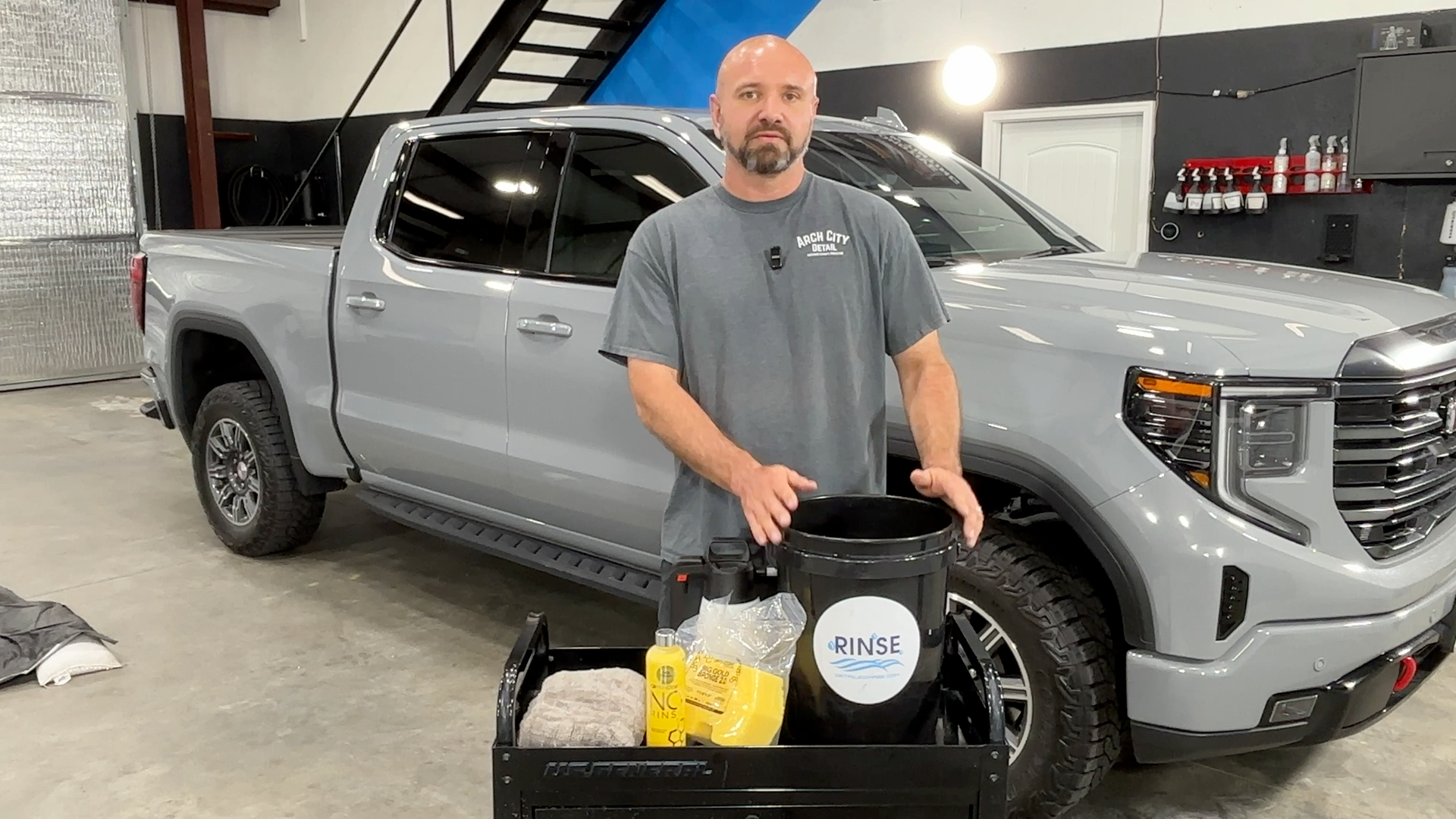
Watch: Three Things to Know About Missouri Window Tint Laws
Watch our short video for the basics, then keep reading for the details behind tint percentages, factory glass, and windshield restrictions.
What Is the Darkest Legal Tint in Missouri?
There isn’t one legal shade for every window. These are the general requirements for ordinary Missouri-registered passenger vehicles.
| Window | Requirement |
|---|---|
| Front driver and passenger side windows | At least 35% visible light transmission, with a ±3-percentage-point tolerance |
| Rear side windows | No tint darkness limit under the general state rule |
| Rear windshield | No tint darkness limit under the general state rule |
| Front windshield | Tint restricted to the upper portion normally tinted by the manufacturer |
The Missouri State Highway Patrol outlines these distinctions in its guidance for drivers. Medical permits and commercial vehicles require separate consideration.
Visible light transmission, or VLT, means how much visible light passes through the window. A lower percentage means a darker result.
Missouri also limits front side-window luminous reflectance to 35%, with a three-percentage-point tolerance. Reflectance describes light bouncing off the window, rather than passing through it.
Our recommendation is to choose a film that comfortably meets the applicable requirement on your vehicle. Consider your nighttime driving, too. A shade you like in bright daylight may feel different when backing into an unlit driveway or driving on a rainy evening.
Is 35% Window Tint Film Automatically Legal?
No. Your existing glass already reduces some light transmission, even when it looks clear. Adding film reduces it further, and Missouri’s requirement accounts for that combination.
Here’s a simplified example:
| Component | Example Light Transmission |
|---|---|
| Existing Glass | 80% |
| Added Film | 35% |
| Estimated Combined Light Transmission | 28% |
The calculation is 0.80 × 0.35 = 0.28.
This is an illustration, not a reading from a customer’s vehicle. Actual glass and film specifications vary. Checking the existing glass before selecting film, then measuring the finished window with a tint meter, gives you a more useful answer than the film label alone.
This also matters if you want your front doors to match darker factory privacy glass in the rear. An exact visual match may leave the front windows darker than the general allowance.
Is Windshield Tint Legal in Missouri?
Missouri generally prohibits applied windshield sun-screening devices, with an exception for the upper area normally tinted by the glass manufacturer. The statute separately recognizes factory-tinted glass and equivalent replacement glass.
A windshield brow and full-windshield film are different installations. The upper-strip exception does not broadly authorize film across the entire windshield—even if that film looks nearly clear or is marketed for heat rejection.
How Does a Missouri Window Tint Medical Exemption Work?
Missouri has a medical permit process for darker front side-window tint.
The Missouri State Highway Patrol requires a physician’s prescription issued within the previous year that identifies the serious medical condition and specifies the needed tint percentage. A permit is required; a doctor’s note alone does not complete the process.
Contact the Highway Patrol for application instructions and keep the issued permit in your vehicle as required.
A front side-window permit should not be treated as blanket authorization for full-windshield tint. The statute addresses windshield restrictions separately.
Do Work Trucks and DOT Vehicles Have Different Tint Rules?
They can. Before tinting a work truck, confirm whether commercial motor-vehicle requirements apply.
For vehicles subject to the applicable federal rules, the windshield and windows immediately beside the driver have a 70% minimum light-transmission requirement in the regulated areas. That applies to the tinted glass, not just the film’s advertised percentage.
Tell your installer how the vehicle is used and whether it operates under a USDOT number. Confirm the requirements with commercial vehicle enforcement before relying on passenger-vehicle limits.
More Questions About Missouri Tint Laws
Is 20% tint legal in Missouri?
For ordinary passenger vehicles, 20% VLT is below the general front side-window allowance. Rear side windows and rear glass have no darkness limit under the general state rule.
Does passing a safety inspection mean my tint is legal?
No. The Highway Patrol says Missouri safety inspections do not require inspection of side or rear window tint. The windshield is inspected, and tint laws can be enforced separately. Passing an inspection does not establish that all your tint is legal.
Get Help Choosing Window Tint in High Ridge
Not sure which film makes sense for your vehicle? At Arch City Detail, we’ll talk through your goals, explain your options, and help you make an informed choice. Explore our window tinting options in High Ridge, request a quote, or call or text (314) 252-8950 to arrange a free consultation.
For more practical tint and car-care tips, follow @archcitydetail on Facebook and Instagram.
This article summarizes general requirements. Confirm medical permits, commercial vehicle requirements, and other special circumstances with the Missouri State Highway Patrol.