By Ron Podgorny, Owner of Arch City Detail
Updated
A ceramic coating is a liquid-applied protective layer that bonds to your vehicle’s paint as it cures. It can add gloss, help contamination release during washing, and provide longer-lasting protection than a regularly reapplied wax.
For someone who wants to keep a vehicle looking good and make routine care easier, that can be a worthwhile upgrade. The important part is understanding what the coating will help with, what condition the paint is in before installation, and how you’ll maintain it afterward.
At Arch City Detail in High Ridge, we help drivers choose protection based on those practical considerations.
What does ceramic coating do?
The most useful benefits show up when you clean and care for the vehicle.
- Easier washing. A coated surface helps dirt and road film release more readily, making routine cleanup more manageable.
- Added gloss. A coating can enhance the paint’s appearance. The clarity of the finish also depends on its condition and any polishing done beforehand.
- Resistance to environmental exposure. Ceramic coatings provide chemical and UV protection to help protect the finish.
The exact properties depend on the product. For example, Opti-Coat Pro uses Silicon Carbide chemistry and is designed to bond to the factory clear coat. Different products sold under the ceramic label can have different formulations and care requirements.
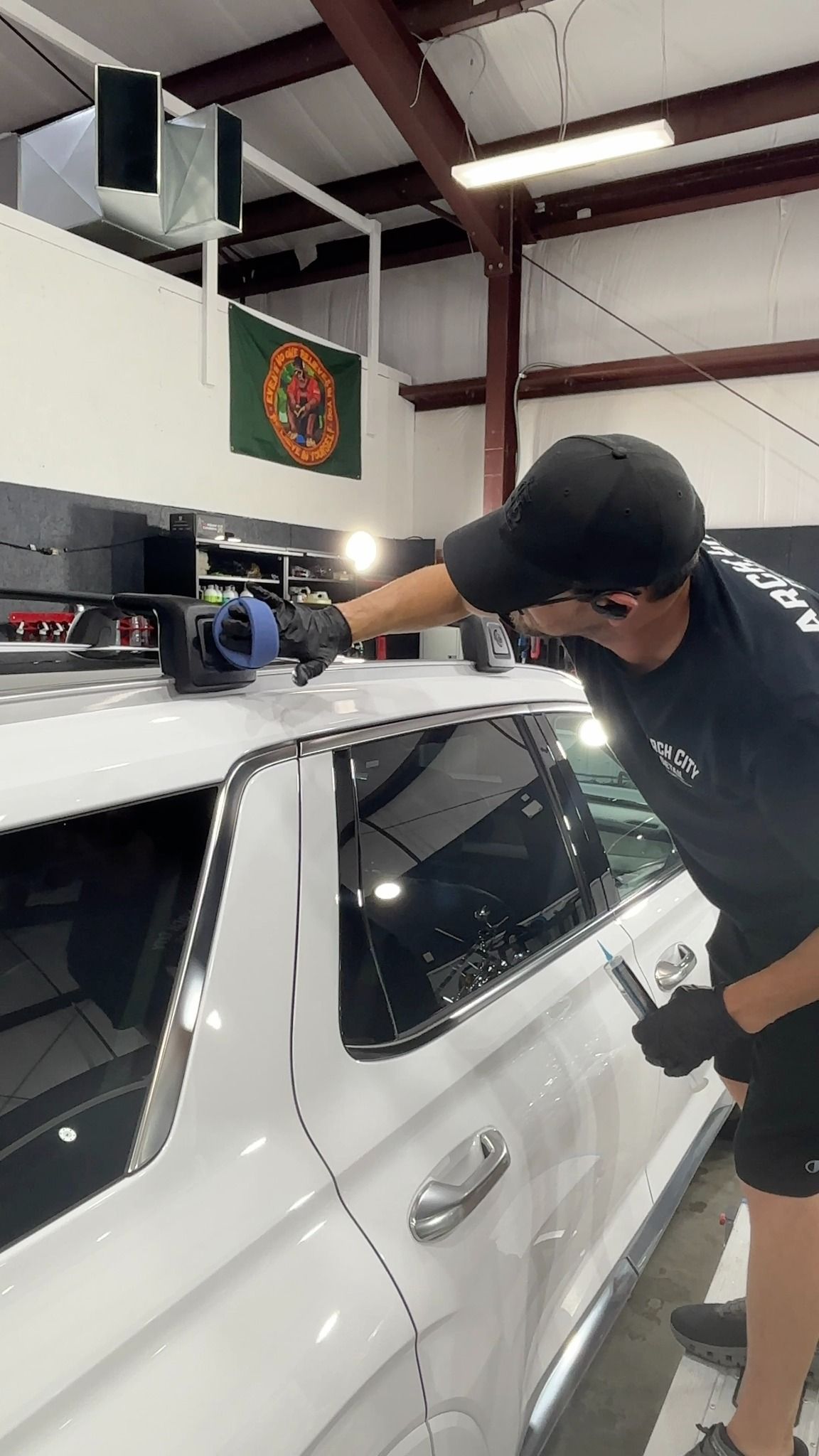
What won’t ceramic coating prevent or repair?
A coating won’t repair rock chips, remove existing swirls, or make your paint scratch-proof. Poor washing habits can still leave marks, and debris striking the vehicle can still damage the finish.
Water spots remain possible, too. Water repellency doesn’t stop minerals from being left behind when water dries. Bugs, bird droppings, and sap also need attention rather than being left on the surface.
A ceramic coating isn’t a substitute for paint protection film when rock chips are your main concern. At Arch City Detail, we offer both traditional PPF and Opti-Shield liquid PPF. Traditional film provides greater impact protection, while liquid PPF offers added scratch and mar resistance with a seamless finish. We’ll help you compare them based on how you drive and what you want to protect.
Why paint preparation and correction matter
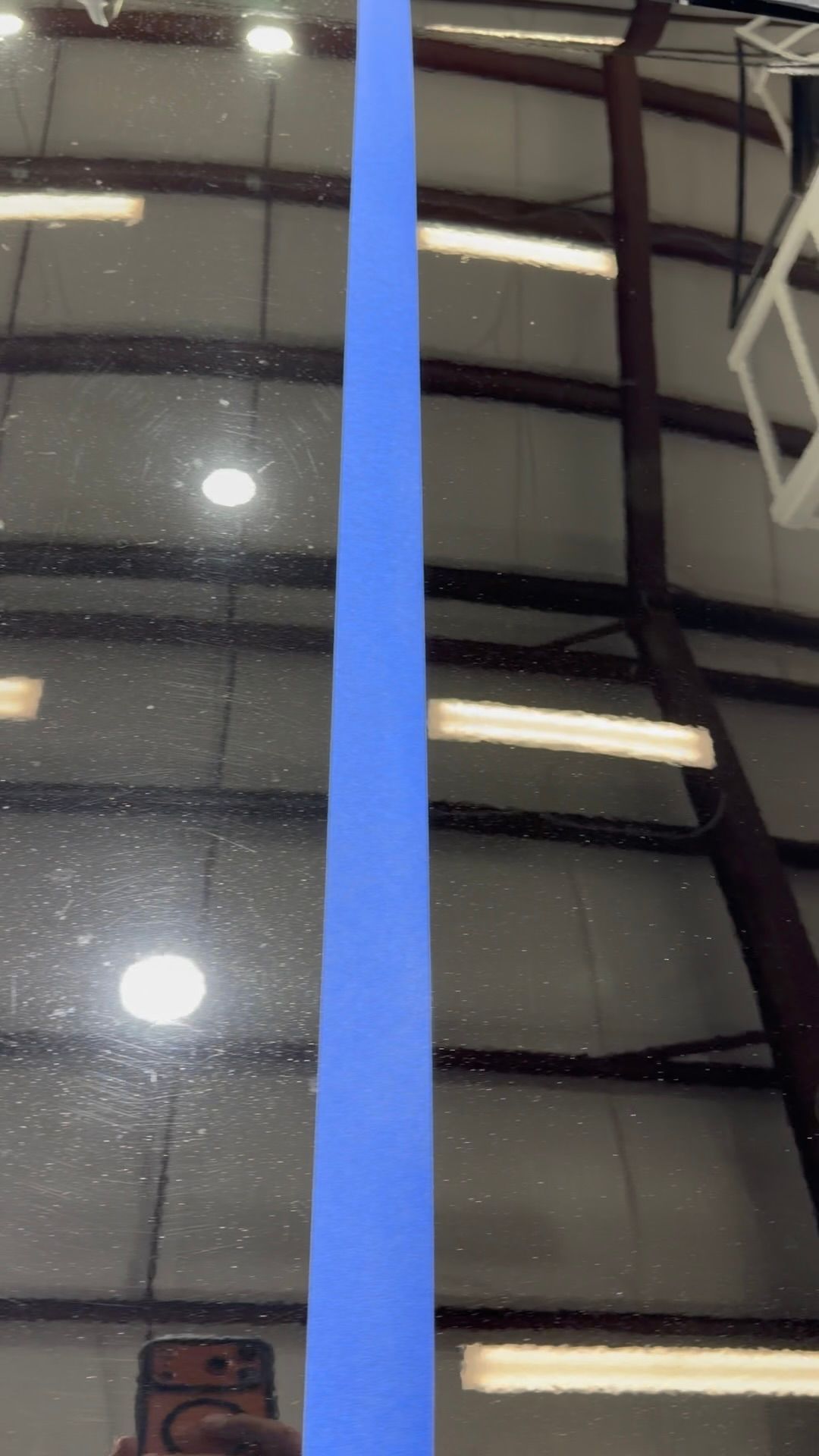
Before a coating is installed, the surface needs appropriate cleaning and preparation. Washing and decontamination address dirt and material bonded to the paint. Polishing addresses the appearance of the finish.
Paint correction can remove or reduce swirl marks, haze, and other defects. How much improvement is appropriate depends on the paint’s condition and the result you want. Some deeper defects cannot be removed safely.
This matters when comparing quotes. A package with extensive correction involves different work from one focused on cleaning and protecting paint you’re already happy with.
A new vehicle deserves an inspection, too. Being new doesn’t tell us whether the finish meets your expectations or how much polishing would be useful.
How we help you choose
Before recommending a level of polishing, we ask how you wash the vehicle, what bothers you about the finish, and what you want to spend. A daily driver going through a brush wash needs a different conversation from a vehicle you carefully wash by hand. We want the preparation to make sense for how you’ll care for it.
How long does ceramic coating last?
Professional coatings can provide years of protection, but there isn’t one duration that applies to every product or vehicle. The coating you choose, exposure, and ongoing care all matter.
Warranty coverage is a separate consideration. Opti-Coat’s written warranty terms vary with the product and vehicle’s age. Pro3’s lifetime option also has a paid annual maintenance requirement.
A warranty term shouldn’t be read as a promise that the vehicle will stay spotless or avoid all damage for that period. We’ll explain the coverage applicable to your vehicle when discussing your options.
What maintenance does a coated vehicle need?
Start with the care instructions provided after installation, including when you can first wash the vehicle. Cure requirements can vary.
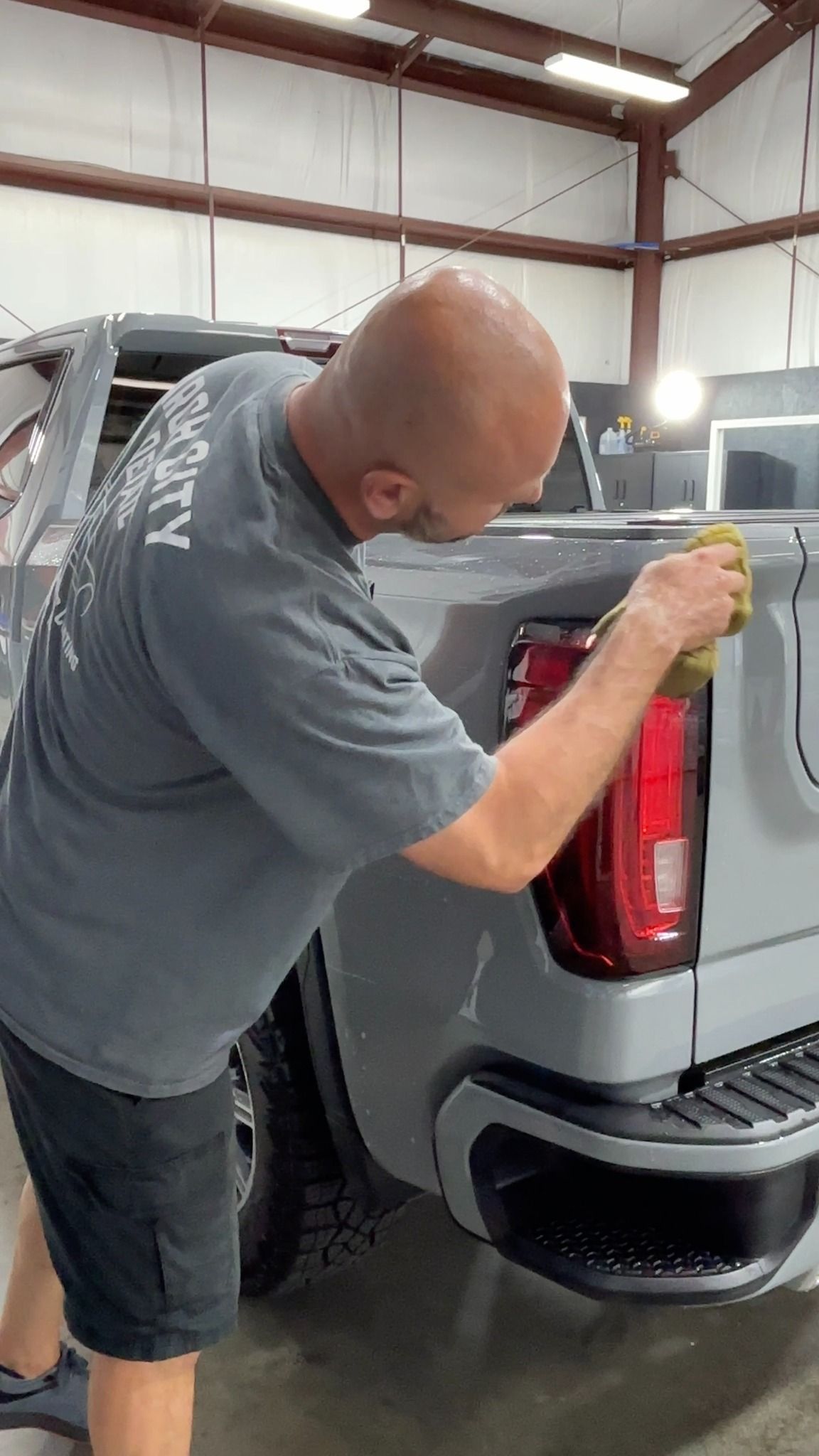
After that, use clean wash tools and suitable products, avoid brush washes, remove contamination promptly, and dry carefully. Our guide to washing a ceramic coated car walks you through rinseless washing at home and explains when heavier dirt needs a pre-rinse.
If water stops beading as well or the surface becomes harder to clean, have it assessed before assuming the coating has failed. Road film and mineral buildup can affect water behavior, and professional decontamination may help restore performance.
Is ceramic coating worth it for your vehicle?
It’s worth considering if easier cleaning and maintaining the finish are priorities, especially when you intend to keep the vehicle and follow a suitable care routine.
Your expectations matter as much as the product. If you mainly want the vehicle cleaned up for an upcoming sale, a detail and paint sealant may be a more sensible investment. If impact protection is the priority, compare film options. If swirls are what bother you most, start by discussing paint correction.
Budget for the result you want and the way you’ll maintain it. The longest warranty or most extensive polishing package won’t automatically be the best fit.
Talk through ceramic coating options in High Ridge
You can explore our ceramic coating services to see the available options.
For a recommendation, contact Arch City Detail to arrange a consultation or call (314) 252-8950. Tell us what you drive, how you wash it, and what you’d like to improve. We’ll talk through the preparation and protection that make sense for your vehicle.
Our shop serves High Ridge, Fenton, and surrounding St. Louis communities.